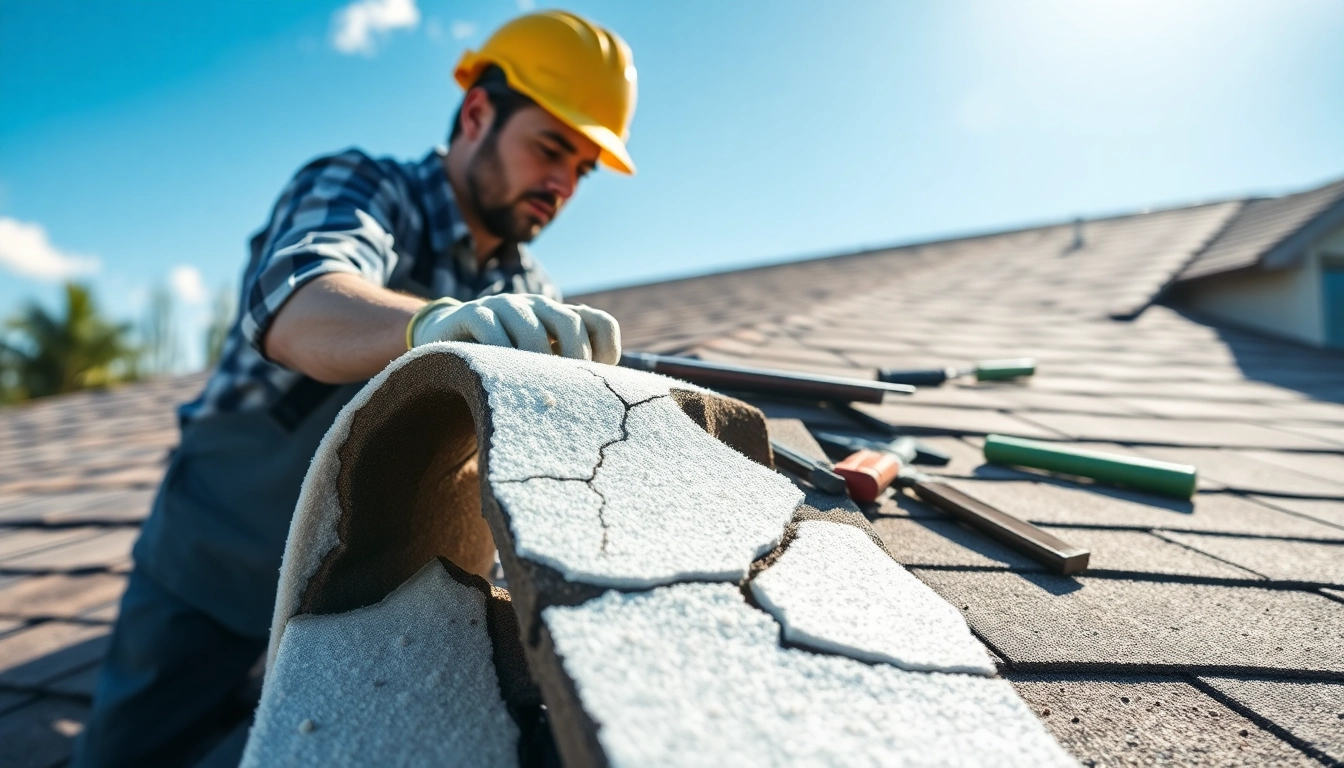
Understanding Spray Foam Roof Damage
Spray foam roofing has gained popularity due to its superior insulation properties and durability. However, like any roofing system, it is not exempt from potential damage. Understanding the intricacies of spray foam roof damage is essential for property owners to preserve the integrity of their investment and to avoid costly repairs. In this article, we will explore common causes of damage, signs that your roof may be affected, and the importance of early detection to ensure long-term durability.
Common Causes of Spray Foam Roof Damage
Several factors can lead to damage in spray foam roofs, including:
- Weather Conditions: Extreme temperatures, heavy rainfall, and high winds can cause wear and tear. UV rays can degrade the foam over time if not properly coated.
- Poor Installation: A flawed installation process can leave your roof vulnerable to damage. This includes improper application thickness, gaps, or uneven surfaces.
- Physical Damage: Foot traffic, debris, and impacts from hail or branches can cause visible harm to spray foam roofing.
- Improper Maintenance: Neglecting regular maintenance can exacerbate minor issues leading to major problems.
Signs Your Spray Foam Roof is Damaged
Damage to spray foam roofs can manifest in various ways. Common signs include:
- Cracks or Bubbles: Cracked areas can indicate structural issues, while bubbles may point to trapped moisture or ineffective adhesion.
- Water Pooling: Pockets of standing water can suggest an improper slope or drainage issue, leading to further degradation of the roofing material.
- Visible Deterioration: Look for discoloration, particularly from UV exposure, and flaking of the surface coating.
- Increased Energy Bills: A spike in energy costs may signal reduced insulation effectiveness stemming from roof damage.
The Importance of Early Detection
Identifying damage early on can save property owners significant costs down the line. Detecting small issues before they evolve into larger problems is crucial for maintaining the lifespan of your spray foam roof. Regular inspections can help pinpoint potential troubles and enable timely interventions, thereby preserving roof integrity and enhancing energy efficiency.
Assessing the Extent of Damage
Visual Inspection Techniques
Conducting a thorough visual inspection is the first step in assessing roof damage. Here are some effective techniques:
- Ground Assessment: Start by viewing the roof from the ground to identify obvious signs such as sagging areas or visible cracks.
- Roof Walk: If safe, walk on the roof to probe for compromised areas. Ensure you wear appropriate footwear to avoid causing further damage.
- Inspection During Rain: Observing the roof during rain can help spot leaks or areas where water accumulates significantly.
Tools for Accurate Assessment
To enhance your inspection effectiveness, consider using the following tools:
- Moisture Meter: This device helps identify damp areas within the foam that may signal underlying problems.
- Infrared Camera: Thermal imaging can detect temperature discrepancies, indicating potential areas of concern.
- Flashlight: A bright flashlight can help illuminate dark areas and assist in the examination of seams and edges.
When to Call a Professional
A professional roofing contractor should be consulted when:
- You notice extensive wear that likely exceeds DIY capabilities.
- You detect structural compromises that could pose safety risks.
- Repeated issues arise despite your efforts to resolve them.
- In cases of extensive moisture damage that warrants comprehensive remediation.
Repairing Spray Foam Roof Damage
DIY Repair Methods
If the damage is minor, some homeowners may opt for DIY repairs, which can include:
- Patching Small Cracks: Use spray foam specifically designed for roofing to fill in cracks.
- Resealing Edges: Applying a new layer of sealant along the edges can help to prevent further water intrusion.
- Cleaning the Surface: Regularly cleaning the roof helps eliminate debris that can cause damage.
Professional Repair Services Overview
For more significant damage, hiring a professional service is advisable. These experts can provide:
- Comprehensive Inspections: Professionals will conduct thorough assessments to determine the extent of damage.
- Quality Workmanship: Expert repairs ensure long-lasting results and reliability.
- Warranty Options: Many professionals offer warranties on their work, providing peace of mind.
Choosing the Right Materials for Repairs
Selecting appropriate materials for repairs is crucial. Key considerations include:
- Type of Foam: Ensure the spray foam is suitable for roofing applications.
- Sealants and Coatings: Pick weather-resistant sealants that can endure environmental stress.
- Compatibility: Use materials that are compatible with existing roof elements to avoid chemical reactions or failures.
Preventing Future Spray Foam Roof Damage
Regular Maintenance Tips
Preventative maintenance is essential in extending the life of your spray foam roof. Here are some measures you can take:
- Routine Inspections: Schedule inspections at least twice yearly and after significant weather events.
- Regular Cleaning: Remove debris and mold that can trap moisture and cause deterioration.
- Immediate Repairs: Address any signs of damage as soon as they are detected.
Best Practices for Roof Care
To maintain a healthy roof, consider the following best practices:
- Limit Foot Traffic: Where possible, restrict access to the roof to reduce damage risk.
- Install Proper Drainage: Ensure water is directed away from the roof to prevent pooling.
- Apply Protective Coatings: Install an elastomeric roof coating to shield the foam from UV exposure.
Seasonal Checklists for Roof Health
Adopting a seasonal checklist can help ensure consistent roof health:
- Spring: Inspect for winter damage, clean gutters, and ensure drainage systems are clear.
- Summer: Check for UV damage; resurface and reseal as necessary.
- Fall: Prepare for winter weather by cleaning debris and repairing minor damage.
- Winter: Inspect for ice dam formation and ensure adequate ventilation to prevent heat loss.
Frequently Asked Questions
What are the main causes of spray foam roof damage?
Common causes include weather conditions, poor installation, and physical damage from debris or foot traffic.
How can I tell if my spray foam roof is damaged?
Look for cracks, bubbles, or spots with water pooling or leaking as signs of damage.
Can I repair spray foam roof damage myself?
Minor repairs such as sealing small cracks can be managed DIY, but significant damage should be addressed by professionals.
How often should I inspect my spray foam roof?
It’s recommended to inspect your roof at least twice a year and immediately after severe weather events.
What materials are needed for spray foam roof repairs?
You will typically require spray foam, a sealant, and tools like a trowel and utility knife for effective repairs.