Understanding the Basics of Healthcare Clubs
What is a Healthcare Club?
A healthcare club is a community organization focusing on promoting health education, wellness, and access to healthcare resources. These clubs bring together individuals who share an interest in health-related topics. They often focus on support, education, and awareness, addressing local health issues or specialized areas, such as mental health, nutrition, fitness, or chronic disease management. Members engage in collaborative efforts to enhance public health through advocacy, education, and community service.
Benefits of Starting a Healthcare Club
Establishing a healthcare club can have profound benefits for both members and the broader community. First and foremost, it creates a support network for individuals facing health challenges. Members can share experiences, resources, and coping strategies. Additionally, healthcare clubs often organize workshops and seminars that educate members and the community about important health topics, leading to increased awareness and preventive healthcare practices. Furthermore, these clubs encourage active participation in community services, empowering individuals to contribute positively to public health.
Types of Healthcare Clubs
Healthcare clubs come in various forms, each addressing distinct needs and interests. For example:
- Fitness Clubs: Focus on physical activity, nutrition, and wellness.
- Mental Health Support Groups: Provide safe spaces for individuals dealing with mental health issues.
- Chronic Disease Awareness Groups: Educate and support those with chronic conditions like diabetes or heart disease.
- Youth Wellness Clubs: Target younger audiences to foster healthy habits and education.
Steps to Start a Healthcare Club
Defining Your Club's Mission and Goals
Before launching a healthcare club, it’s crucial to define its mission and goals clearly. Consider what health issues will be addressed and the demographic served. A well-defined mission creates a focused direction and helps attract like-minded individuals. For instance, a club aimed at promoting mental wellness might focus on reducing stigma, raising awareness of mental health issues, and providing resources for coping strategies.
Gathering a Supportive Community
Building a community of passionate individuals is essential. Start by reaching out to friends, family, healthcare professionals, or local organizations interested in health-related topics. Utilizing platforms like social media can help gather interest and create a preliminary membership base. Hosting an informational meeting can also serve to attract potential members and clarify the club’s goals.
Establishing Club Structure and Leadership
Establishing a clear structure is important for the smooth operation of the club. Consider forming roles such as president, treasurer, and secretary to help delegate responsibilities. A leadership team can aid in organizing events and managing the club’s growth. Regular meetings can facilitate communication and coordination among members, ensuring everyone is on the same page.
Creating Engaging Activities for Members
Health Workshops and Seminars
Organizing workshops and seminars can significantly enhance member engagement and knowledge. Invite healthcare professionals to speak on various topics, such as nutrition, mental health, or preventive care. These events provide valuable insights, allowing members to ask questions and learn practical health strategies. Furthermore, offering certifications or credentials for attending certain workshops can also incentivize participation.
Social Events to Enhance Participation
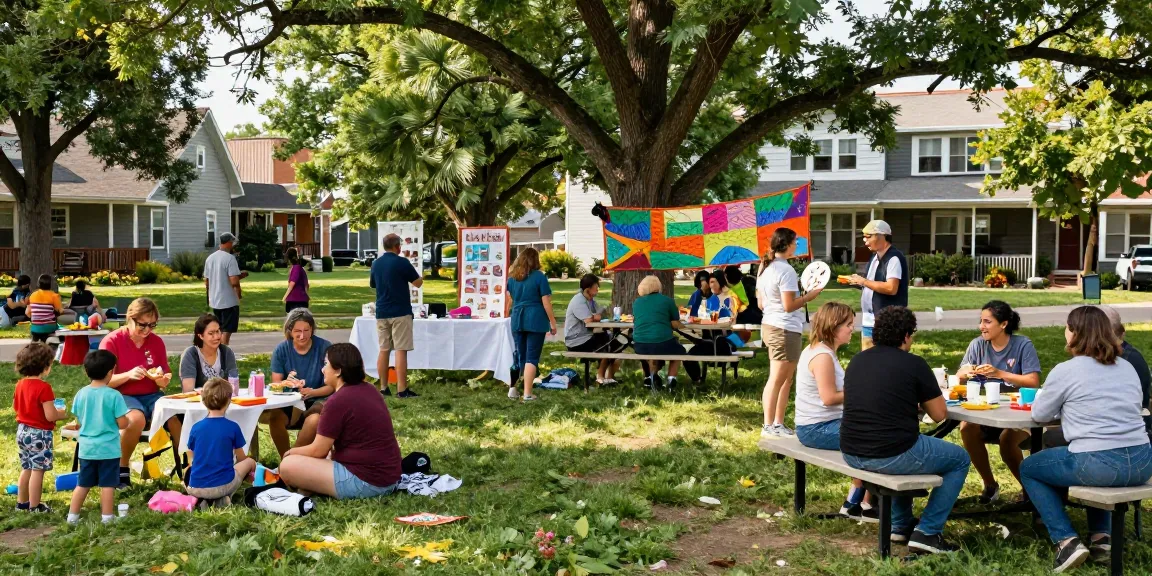
Social events are essential for building camaraderie and strengthening club bonds. Plan regular social gatherings, such as potlucks, health fairs, or fun runs. These events not only promote health awareness but also encourage members to connect on a personal level, ultimately fostering a supportive environment.
Collaboration with Local Healthcare Providers
Partnering with local healthcare providers can enhance the club's credibility and resource offerings. Seek collaborations for health screenings, informational sessions, or volunteer opportunities. Local clinics and hospitals often have outreach programs that benefit from community engagement. Such partnerships can also lead to guest speakers, wellness check-ups, and other unique benefits for club members.
Promoting Your Healthcare Club
Utilizing Social Media for Outreach
In today’s digital era, social media is a powerful tool for promoting your healthcare club. Create profiles on platforms like Facebook, Instagram, and Twitter to share updates, events, and health tips. Engaging content and regular postings can help draw interest and foster a sense of community online. Consider starting a blog or a newsletter to dive deeper into health topics and establish your club’s authority in the field. For those looking to start a healthcare club, social media can be an invaluable resource.
Creating Informative Newsletters
Newsletters can keep your members informed about upcoming events, health trends, and club achievements. Distributing a monthly or quarterly newsletter can maintain engagement and prevent members from feeling disconnected. Including member spotlights, health tips, and summaries of past events can make your newsletter a valuable resource.
Networking with Other Organizations
Collaboration with other health-focused organizations can lead to mutual benefits. Attend community health fairs, join local healthcare advocacy groups, and participate in town hall meetings. Such networking can create opportunities for joint events, shared resources, and increased visibility for your healthcare club.
Measuring Success and Impact
Defining Key Performance Indicators (KPIs)
To gauge the effectiveness of your healthcare club, it’s essential to define Key Performance Indicators (KPIs) relevant to your goals. Common KPIs might include membership growth, attendance rates at events, member satisfaction scores, and community outreach initiatives completed. Monitoring these metrics can help identify areas for improvement and successfully adjust strategies as needed.
Gathering Member Feedback for Improvement
Member feedback is invaluable in assessing the club's performance and impact. Conduct regular surveys to gather insights on member experiences, event interests, and suggestions for improvement. This feedback can seed new ideas while enhancing member engagement by showing that their opinions matter.
Regularly Reviewing Club Goals
Clubs should periodically reassess their goals to stay engaged and effective. Regular reviews can help identify accomplishments, challenges, and new directions the club might take. Setting aside time in meetings for this review allows every member a chance to contribute to the club's future direction.
Frequently Asked Questions
How do I start a healthcare club in my community?
To start a healthcare club, define your mission, gather interested individuals, establish a team, and create activities that foster engagement and education.
What types of events can a healthcare club host?
A healthcare club can host workshops, seminars, social events, health fairs, and collaborative events with local providers to educate and engage the community.
What are the benefits of joining a healthcare club?
Members can gain access to valuable health education, support, resources, and opportunities for community involvement. It also fosters a supportive network.
Can healthcare clubs collaborate with local businesses?
Yes! Collaborating with local businesses can lead to sponsorships, joint events, and additional resources. It also benefits community visibility.
How can I measure my healthcare club's success?
Success can be measured through metrics such as membership growth, event attendance, member satisfaction, and community outreach efforts.