Overview of the Everest Base Camp Trek
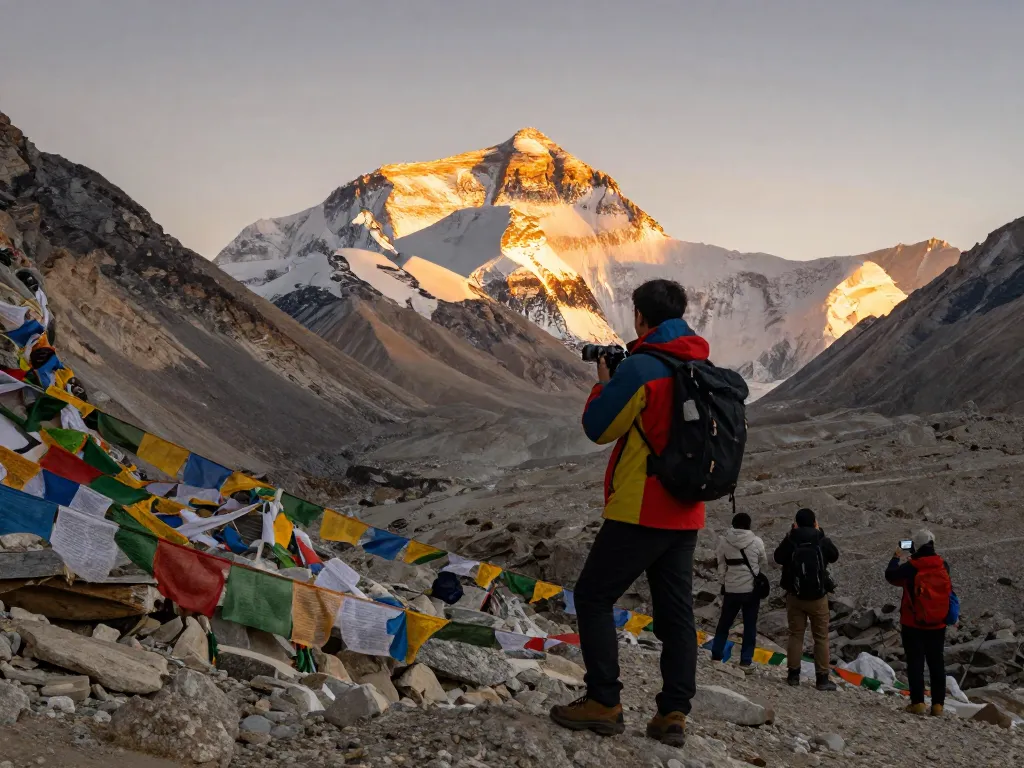
The Everest Base Camp Trek is a life-changing adventure, offering breathtaking views, rich cultural experiences, and the thrill of standing at the foot of the world’s highest peak, Mount Everest. This famous trek leads adventurers through the heart of the Khumbu region, showcasing stunning landscapes, quaint Sherpa villages, and prestigious monasteries. It’s a journey that balances physical challenge and exquisite beauty, making it one of the most popular trekking routes in the world. The trek typically spans 14 days, covering approximately 130 kilometers and allowing trekkers to experience diverse terrains, altitude variations, and the flourishing natural beauty of the Himalayas. If you’re looking for a comprehensive guide to make your dream trek a reality, the Everest Base Camp Trek provides essential insights for an unforgettable experience.
What to Expect on the Trek
Embarking on the Everest Base Camp Trek offers a mix of exhilarating climbs, cultural experiences, and the opportunity to acclimatize to high altitudes. Sunrises over Everest and breathtaking panoramic views are just a few highlights. Along the way, trekkers will navigate through lush forests, cross high suspension bridges, and visit vibrant villages, each providing a glimpse into the unique Sherpa culture. The trek’s structure aims to allow for acclimatization, helping your body adjust to the elevation.
Duration and Difficulty Levels of the Everest Base Camp Trek
This trek generally takes 14 days, including acclimatization days to help prevent altitude sickness. The difficulty level ranges from moderate to challenging, largely due to the high altitude gained (up to 5,364 meters at Everest Base Camp). Most days involve trekking between 5 to 8 hours, with some days requiring steep ascents. Trekkers should be in good physical shape, with consideration for proper acclimatization to enjoy the journey fully.
Historical Significance of Everest Base Camp
Everest Base Camp has historical significance as it has been the starting point for many climbers aiming to reach the summit of Mount Everest. The first successful ascent of Everest was achieved by Sir Edmund Hillary and Tenzing Norgay in 1953 from this very camp. Today, it still serves as a vital point for climbers and trekkers alike, symbolizing adventure and human determination.
Preparing for the Everest Base Camp Trek
Preparation is key to having a successful trek to Everest Base Camp. It’s important to ensure you have the right gear, physical conditioning, and knowledge of what to expect during your journey. This preparation will help minimize risks and enhance your overall trekking experience.
Essential Gear and Packing List
When packing for the trek, consider the following essentials:
- Trekkers need a warm sleeping bag rated for -15°C (5°F).
- Durable hiking boots with ankle support are crucial.
- Waterproof jackets and pants protect against rain and snow.
- Layering is important; pack thermal base layers, insulation layers, and outer layers to adapt to varying temperatures.
- Don’t forget personal items like sunscreen, sunglasses, and a first-aid kit.
Suggested Physical Training Regime
Physical preparation is essential before attempting the Everest Base Camp trek. A well-structured training regimen should include cardio exercises, strength training, and hikes that simulate the trekking environment. Aim to be active for at least 4-5 times a week for at least two months leading up to the trek. Include long-distance hikes to build endurance and practice hiking with a loaded backpack.
Choosing the Right Season for Trekking
The best times to trek to Everest Base Camp are during the spring (March to early June) and autumn (late September to November). During these months, the weather is typically clear, providing the best visibility of the stunning peaks. Monsoon season (July-August) is generally advised against due to heavy rainfall, which can make trekking conditions hazardous.
Itinerary for the 14-Day Everest Base Camp Trek
Day-by-Day Breakdown of Trek Activities
The itinerary for the 14-day trek is carefully designed to enhance acclimatization and safety. Here’s a brief overview of the trek's daily activities:
- Day 1: Arrival at Tribhuvan International Airport in Kathmandu and transfer to your hotel.
- Day 2: Fly to Lukla and trek to Phakding, a short and introductory day.
- Day 3: Trek from Phakding to Namche Bazaar, the gateway to Everest.
- Day 4: Acclimatization day in Namche, hiking to Hotel Everest View for a panoramic view.
- Day 5: Trek from Namche to Tengboche, visiting the famous monastery.
- Day 6: Trek to Dingboche, a picturesque Sherpa village.
- Day 7: Acclimatization day at Dingboche with a hike to Nangkartshang Peak.
- Day 8: Trek to Lobuche, close to the Khumbu Glacier.
- Day 9: Trek to Everest Base Camp and return to Gorak Shep.
- Day 10: Early morning hike to Kala Patthar for stunning views of Everest.
- Day 11: Descend to Pheriche.
- Day 12: Trek back to Namche Bazaar.
- Day 13: Trek back to Lukla.
- Day 14: Fly back to Kathmandu.
Acclimatization Days: Importance and Activities
Acclimatization is a vital part of the Everest Base Camp trek. On days designated for acclimatization—typically at Namche Bazaar and Dingboche—trekkers engage in light hikes to higher altitudes to prepare their bodies for the increased elevation. This practice significantly decreases the risk of altitude sickness.
Optional Side Treks to Enhance Your Experience
During acclimatization days, trekkers can take advantage of optional side treks. For instance, a hike to the Khumjung village provides a rich cultural experience and stunning views of Everest. Alternatively, visiting the Tengboche Monastery not only aids acclimatization but also enriches your understanding of Sherpa culture.
Costs and Inclusions for the Everest Base Camp Trek
The cost of the Everest Base Camp trek varies based on group size and the services included. Understanding these costs will help you budget effectively for your adventure.
Estimated Pricing for 2026 Trek Packages
For the 2026 trekking season, prices for the Everest Base Camp trek typically start at around $1,600 per person, depending on the selected package and inclusions. This cost can fluctuate based on the size of your group, the type of accommodation chosen, and whether additional services are required.
What is Included in the Trek Cost?
The trek cost generally includes accommodation in Kathmandu, domestic flights from Kathmandu to Lukla, all necessary permits, accommodations in teahouses during the trek, meals, and the services of professional guides and porters. Additional items, such as trek insurance, snacks, and personal expenses, are generally not included and should be budgeted separately.
Additional Expenses to Anticipate on the Trek
While trekking, you may incur additional costs for items such as bottled water, snacks, hot showers, and charging your electronics. Generally, budgeting around $15-$20 per day for these additional costs will suffice. This budget should also account for tips for your guides and porters, which are typically expected but can vary based on service quality.
Safety and Health Considerations
Ensuring your safety and health during the Everest Base Camp trek is paramount. Proper preparation and understanding potential risks can significantly enhance your trekking experience.
Managing Altitude Sickness During the Trek
Altitude sickness can impact any trekker at high elevations. Symptoms may include headaches, nausea, or fatigue. To prevent altitude sickness, ascend slowly, stay hydrated, and recognize the importance of acclimatization days. In case symptoms arise, descending to a lower altitude is crucial.
Safety Measures and Guide Qualifications
All trekking guides provided by reputable companies like Ace the Himalaya are certified and trained in first aid. This training ensures they can assist trekkers in emergencies and monitor health conditions regularly throughout the trek. Guides carry essential gear, including oxygen and first aid kits, to ensure your safety.
Emergency Protocols and Support Services
In emergencies, the trekking company has protocols in place to assist trekkers. This includes arranging evacuation in case of severe altitude sickness or injury. Trekking with a reliable company ensures that you have access to support services should any issues arise during the trek.
What is the best time to trek Everest Base Camp?
Spring (March to early June) and autumn (late September to November) are generally considered the best times for this trek. During these seasons, the weather is favorable, and visibility is excellent for panoramic views of the majestic Himalayan landscape.
How much does it cost to trek to Everest Base Camp?
Costs can vary widely based on the trekking agency and the services included. On average, the 14-day trek can range between $1,500 to $2,500 per person, depending on group size, accommodation preferences, and additional services.
Can beginners undertake the Everest Base Camp Trek?
Yes, beginners can undertake the trek with proper preparation and conditioning. While it can be physically demanding, having a good level of fitness, determination, and the right support can make this remarkable journey achievable.
What permits are required for the Everest Base Camp Trek?
For the Everest Base Camp trek, you will need three main permits: the Sagarmatha National Park entry permit, the TIMS card (Trekking Information Management System), and the Khumbu Pasang Lhamu local entry permit. These permits are typically included in the cost of your trekking package.
What should I pack for the Everest Base Camp Trek?
When packing, remember to include essential items such as trekking boots, warm clothing, a sleeping bag, and a first aid kit. Adequate preparations for varying weather conditions can significantly enhance your trekking experience.