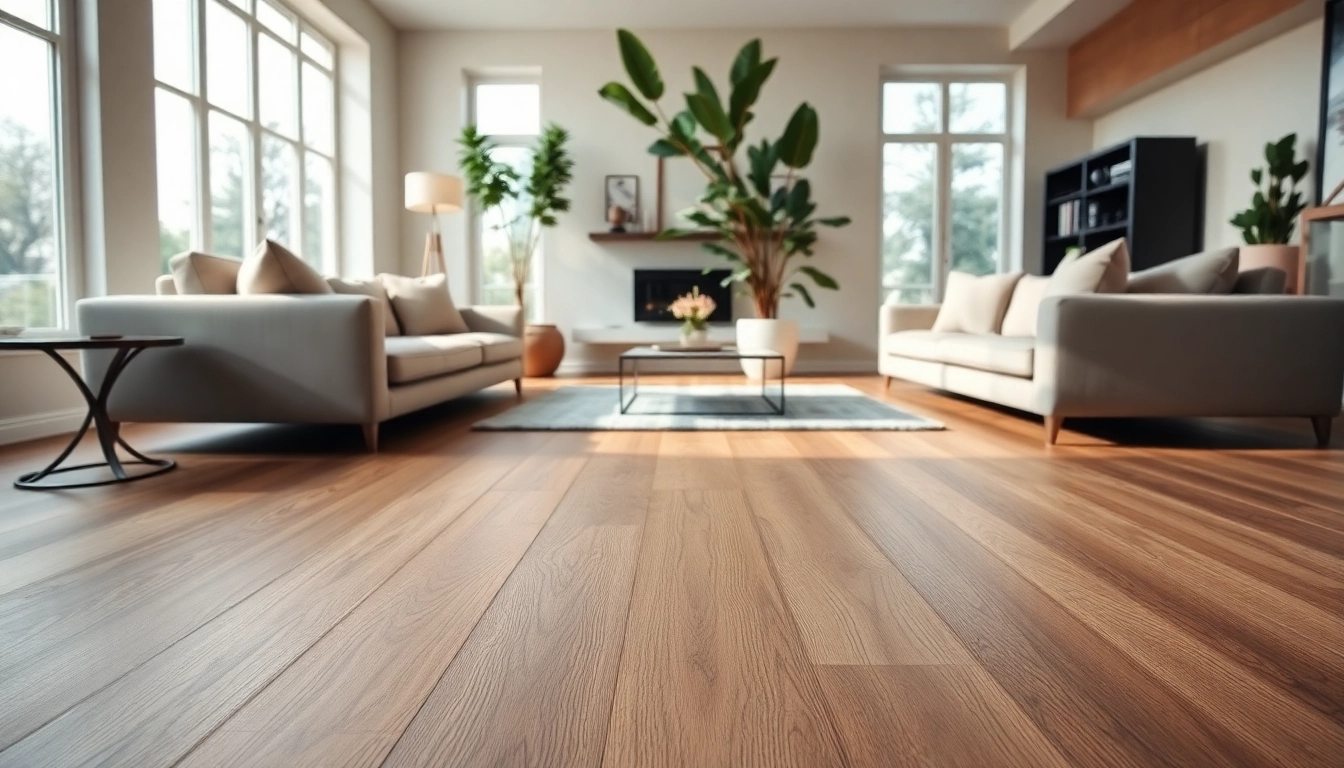
Understanding Vinyl Plank Flooring
When it comes to choosing flooring options that combine aesthetics, durability, and ease of maintenance, vinyl plank flooring stands out as a popular choice among homeowners and interior designers alike. This versatile flooring type mimics the appearance of hardwood or stone while offering a range of benefits that cater to various preferences and lifestyles. In this comprehensive guide, we will delve into what vinyl plank flooring is, highlight its benefits, and explore the various types available in the market today.
What is Vinyl Plank Flooring?
Vinyl plank flooring is a synthetic flooring material made primarily from polyvinyl chloride (PVC). It is designed to resemble natural wood planks or stone tiles, providing an elegant look without the high maintenance that often accompanies these materials. Vinyl planks are composed of multiple layers, each serving a unique purpose: a backing layer for stability, a core layer for durability, a design layer featuring printed graphics for aesthetics, and a wear layer for protection against scratches and stains.
Benefits of Vinyl Plank Flooring
There are numerous reasons why homeowners opt for vinyl plank flooring. Here are some of the most notable benefits:
- Durability: Vinyl plank flooring is highly resistant to scratches, dents, and moisture, making it ideal for high-traffic areas or homes with pets and children.
- Water Resistant: Many vinyl plank options are completely waterproof, allowing for installation in kitchens, bathrooms, and basements without worry.
- Easy to Maintain: Cleaning vinyl planks typically requires little more than sweeping and occasional mopping, making it a low-maintenance choice for busy households.
- Comfort and Warmth: Vinyl planks are softer underfoot compared to tile and hardwood, providing a more comfortable surface to walk on.
- Variety of Styles: Available in a myriad of colors and designs, vinyl plank flooring can replicate the look of various wood species and stone textures, allowing for customization to match any décor.
Different Types of Vinyl Plank Flooring
Vinyl plank flooring comes in several types, each with its distinct characteristics and installation methods. The most common types include:
- Luxury Vinyl Plank (LVP): This high-end option offers incredibly realistic visuals and enhanced durability. Luxury vinyl planks often feature thicker wear layers and premium design layers.
- Glue-Down Vinyl Planks: These planks require adhesive for installation and are typically used in commercial settings due to their stability and suitability for heavy foot traffic.
- Click-Together Vinyl Planks: Often referred to as floating floors, these planks interlock, making installation quick and straightforward without the need for glue or nails.
- Sheet Vinyl: While not technically planks, sheet vinyl is worth mentioning for its continuous surface, making it seamless and waterproof — ideal for moisture-prone areas.
Choosing the Right Vinyl Plank Flooring
Selecting the perfect vinyl plank flooring for your home involves more than just aesthetics. It requires a thoughtful consideration of various factors to ensure the flooring meets your needs and suits your lifestyle.
Factors to Consider When Selecting Vinyl Plank Flooring
When selecting vinyl plank flooring, consider the following factors:
- Durability: Assess the wear layer thickness, which generally ranges from 6 mils to 20 mils, to determine the flooring's resilience.
- Water Resistance: If installing in moisture-prone areas, choose 100% waterproof options to avoid damage.
- Style and Design: Evaluate color, texture, and design to ensure it fits your home's overall style.
- Installation Type: Decide if you prefer a DIY installation with click-together planks or a more traditional glue-down application.
- Budget: Vinyl flooring is available at various price points, so consider your budget without compromising quality.
Comparing Vinyl Plank Flooring Styles
With a myriad of styles and finishes available, comparing options can be overwhelming. Look for the following when assessing styles:
- Visual Appeal: Select designs that mimic natural materials effectively; for example, planks with textures that replicate real wood grain.
- Color Schemes: Consider your existing décor and select colors that complement or modernize your space.
- Finishing Options: Choose between matte, glossy, or textured finishes to achieve the desired aesthetic for your flooring.
How to Measure Your Space for Vinyl Plank Flooring
Accurate measurement is key to ensuring you purchase the right amount of vinyl plank flooring. Follow these steps:
- Measure the length and width of the room in feet.
- Multiply the length by the width to obtain the total square footage of the room.
- Add 10% more to account for waste from cuts and miscalculations.
It’s a good idea to draw a diagram of the room and note any obstacles, like closets or kitchen islands, to ensure accurate purchasing.
Installation Process for Vinyl Plank Flooring
Once you’ve chosen the perfect vinyl plank flooring, the next step is installation. This can be approached either as a DIY project or by hiring professionals.
DIY Installation vs. Professional Installation
Deciding between DIY installation and professional help depends on your skills, time constraints, and inclination:
- DIY Installation: This is suitable for those comfortable with home improvement tasks. It is often more cost-effective and allows for flexibility in scheduling.
- Professional Installation: Engaging professionals can ensure the job is done correctly and efficiently, often with warranties for their work.
Step-by-Step Guide to Installing Vinyl Plank Flooring
If you decide to go the DIY route, here’s a step-by-step guide for installing your vinyl plank flooring:
- Prepare the Subfloor: Ensure the subfloor is clean, dry, and leveled. Remove any old flooring material if necessary.
- Acclimate the Planks: Let the vinyl planks sit in the room where they will be installed for at least 48 hours to acclimatize to temperature and humidity.
- Plan the Layout: Decide on the direction the planks will run, typically lengthwise toward the light source.
- Install the Planks: Start laying the planks from one corner of the room, following the manufacturer’s instructions for the specific vinyl plank system.
- Finishing Touches: After laying the planks, add baseboards or quarter-rounds to cover expansion gaps.
Common Mistakes to Avoid During Installation
To ensure a successful vinyl plank flooring installation, be mindful of these common pitfalls:
- Failing to acclimate the planks, which could lead to expansion or contraction.
- Not ensuring the subfloor is properly prepared, which might lead to uneven surfaces.
- Ignoring the manufacturer’s installation guidelines can result in installation errors.
Maintenance and Care for Vinyl Plank Flooring
Once installed, maintaining your vinyl plank flooring is straightforward and largely involves regular cleaning and care to keep it looking its best.
Cleaning Tips for Vinyl Plank Flooring
To maintain cleanliness while preserving the floor’s integrity:
- Regularly sweep or vacuum to remove dirt and debris that can scratch the surface.
- Mop occasionally with a manufacturer-recommended cleaner or a mixture of mild detergent and water.
- Avoid using harsh chemicals or abrasive tools that can damage the flooring.
Maintaining the Appearance of Vinyl Plank Flooring
To enhance the longevity and appearance of your flooring:
- Use felt pads under furniture legs to prevent scratches and dents.
- Place area rugs in high-traffic zones to minimize wear.
- Avoid exposing the floor to excessive moisture or direct sunlight to prevent fading.
Dealing with Damage and Repairs
In the event of damage, addressing it promptly can save the appearance of your flooring:
- For scratches, consider using a touch-up kit or vinyl repair compound to blend with the floor.
- Replace damaged planks by removing the affected area carefully and installing new ones.
- For severe damage, consulting a professional may be necessary for repairs or replacement.
Frequently Asked Questions about Vinyl Plank Flooring
Is Vinyl Plank Flooring Suitable for All Rooms?
Yes, vinyl plank flooring is suitable for all rooms, including kitchens and bathrooms due to its water resistance.
How Long Does Vinyl Plank Flooring Last?
With proper care, vinyl plank flooring can last anywhere from 10 to 25 years, depending on the quality and usage.
Can Vinyl Plank Flooring Be Installed Over Existing Flooring?
Yes, as long as the existing flooring is smooth, clean, and stable, it can be installed over most existing surfaces.
What Underlayment is Recommended for Vinyl Plank Flooring?
A foam underlayment is often recommended for added cushioning and sound reduction, but follow the manufacturer's guidelines.
Is Vinyl Plank Flooring Waterproof?
Many vinyl plank flooring options are indeed waterproof, making them suitable for moisture-prone areas.