
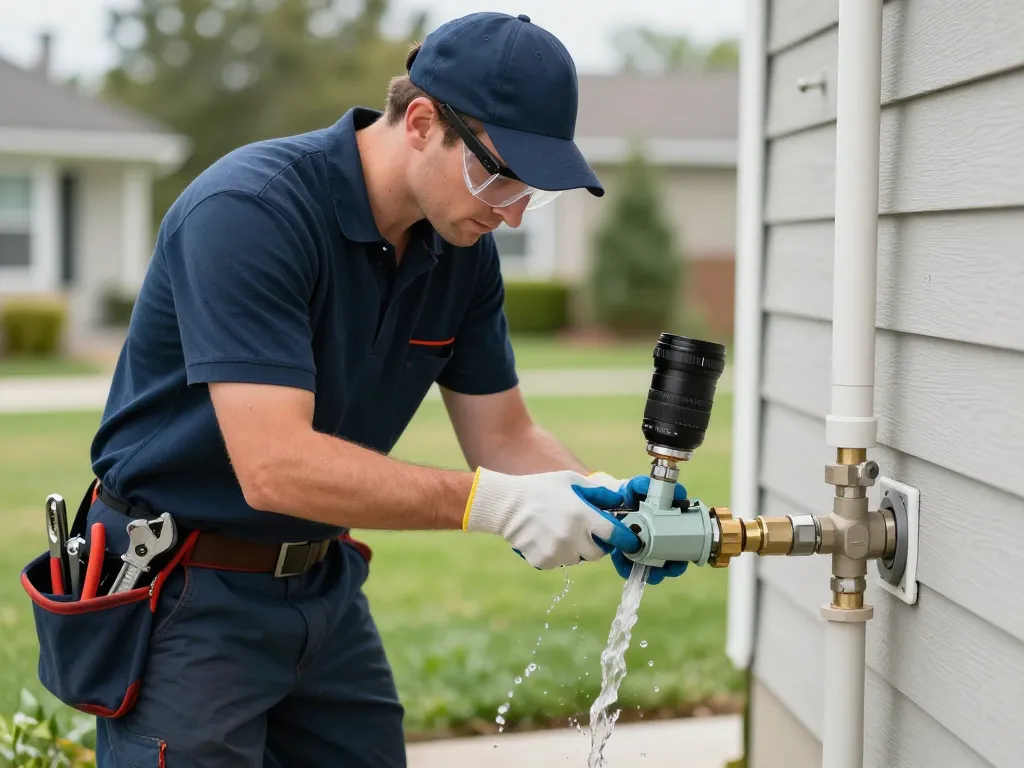
Understanding Backflow and Its Importance
Backflow prevention is a vital aspect of plumbing that protects potable water supplies from contamination. In Sydney, with its diverse range of residential, commercial, and industrial properties, understanding backflow and its implications is crucial for property owners and managers alike. The need for efficient backflow prevention methods cannot be overstated, as they serve not just to meet legal compliance but also to ensure the health and safety of the community. When exploring options, backflow device installation is an essential service that can help maintain clean and safe drinking water supplies.
What is Backflow Prevention?
Backflow prevention refers to the use of mechanical devices designed to stop contaminated water from flowing backward into the clean water supply. This can occur due to various factors, such as pressure changes within the plumbing system that reverse the normal flow of water. Backflow prevention devices are specifically engineered to prevent such occurrences, thereby safeguarding public health and compliance with local regulations.
Common Causes of Backflow
Several factors can lead to backflow events, including:
- Pressure Loss: Sudden drops in water pressure can cause clean water to be siphoned back into the system.
- Pipe Breaks: A rupture in pipes can create a vacuum that pulls contaminated water back into the supply.
- Improper Installation: Incorrectly installed plumbing or backflow devices can lead to failures.
- Cross-Connections: Unprotected connections between potable and non-potable water sources can introduce contamination risks.
Why Backflow Matters for Property Owners
For property owners, the importance of backflow prevention is twofold: it ensures compliance with local plumbing codes and protects health. Contaminated water can pose serious health risks, leading to illness or even fatalities. Furthermore, failing to have an adequate backflow prevention system in place can result in legal penalties, including fines or mandatory shutdowns of business operations.
Requirements for Backflow Device Installation
Installing a backflow prevention device is not just a matter of purchasing a device; it involves understanding and adhering to local compliance standards, obtaining necessary permits, and selecting the right device for your property type.
Overview of Compliance Standards
In Sydney, the installation of backflow prevention devices is governed by strict compliance standards set forth by NSW Fair Trading. These standards dictate the types of devices authorized for use, installation practices, and ongoing maintenance requirements. Failing to adhere to these regulations can lead to significant liabilities for property owners.
Necessary Permits and Approvals
Before installing a backflow preventer, property owners must often obtain specific permits and approvals from local authorities. This process may include submitting plans for review and undergoing inspections. Engaging licensed plumbing professionals familiar with local laws can streamline this process.
Choosing the Right Type of Device for Your Site
Selecting the appropriate backflow prevention device is critical. The types can vary by application:
- Reduced Pressure Zone (RPZ) Valves: Ideal for high-risk applications, such as commercial settings.
- Double Check Valves: Commonly used in residential settings.
- Pressure Vacuum Breakers: Suitable for irrigation systems to prevent backflow from garden water.
Step-by-Step Process for Backflow Device Installation
The installation of a backflow prevention device typically involves several well-defined steps to ensure that it functions effectively and complies with local regulations.
Initial Site Assessment and Planning
The first step is conducting a comprehensive site assessment to understand the specific plumbing layout and identify potential cross-connection risks. This assessment guides the selection of the right type of backflow device and outlines the installation procedure.
Installation Procedure Explained
During installation, a qualified plumber will:
- Isolate the water supply to prevent any disruption during installation.
- Install the backflow prevention device according to the manufacturer’s specifications and local compliance standards.
- Ensure that all connections are secure and that the device is easily accessible for future maintenance.
Testing and Verification Post-Installation
Once installed, the backflow preventer must undergo rigorous testing to verify its functionality. This involves checking for leaks, ensuring proper pressure levels, and confirming that the device operates as intended. Regular testing is vital to maintain compliance and health standards.
Common Issues and Preventative Measures
Awareness of the common issues related to backflow devices can help property owners avoid complications. Regular maintenance and proactive measures can significantly enhance the longevity and effectiveness of these systems.
Frequent Backflow Device Failures
Backflow prevention devices can fail for a variety of reasons, including:
- Wear and Tear: Over time, components can degrade due to environmental factors.
- Improper Maintenance: Lack of regular checks can lead to unnoticed failures.
- Incorrect Installation: If not installed correctly, devices may not function properly.
How to Avoid Common Pitfalls
To avoid common pitfalls associated with backflow prevention systems, property owners should:
- Schedule regular inspections with licensed plumbers.
- Keep records of all maintenance and testing activities.
- Ensure that staff is trained to recognize signs of malfunctions.
Maintenance Tips for Long-Lasting Devices
Regular maintenance is crucial to the effectiveness of backflow devices. Here are some maintenance tips:
- Perform routine tests as per the local regulations.
- Inspect the device for damage or wear and tear.
- Clean filters and vents regularly to ensure unobstructed flow.
Choosing a Backflow Prevention Service Provider
Selecting the right plumbing service for backflow prevention is essential for ensuring compliance and safety.
Key Qualities to Look For in a Plumber
When evaluating potential plumbing providers, consider the following qualities:
- Licensing and Certifications: Ensure the plumber holds a valid license and is certified in backflow prevention.
- Experience: Look for proven experience in backflow installation and maintenance.
- Client Reviews: Check customer reviews and testimonials to evaluate service quality.
Estimating Costs for Installation and Maintenance
The cost of installing a backflow device can vary widely based on several factors, including the type of device, installation complexity, and any necessary modifications to existing plumbing. Property owners should seek detailed quotes from multiple providers to ensure they receive fair pricing.
Customer Reviews and Testimonials Importance
Customer feedback is invaluable when selecting a backflow prevention service provider. Positive reviews can provide assurance of quality and reliability, making them a key consideration in the selection process.
FAQs About Backflow Prevention in Sydney
Here are some frequently asked questions to consider regarding backflow prevention:
What is the average cost of backflow device installation?
Costs can vary significantly, typically ranging from $300 to $3,500, depending on the type and complexity of installation.
How often should backflow devices be tested?
Generally, backflow devices should be tested annually to ensure they are functioning properly and in compliance with local regulations.
Can I install a backflow device myself?
While DIY installations may seem tempting, it is highly recommended to hire a licensed plumber to ensure proper installation and compliance with local laws.
What should I do if my backflow device fails testing?
If a device fails testing, it should be immediately repaired or replaced by a qualified technician to prevent contamination risks.
Are there any specific requirements for commercial backflow installations?
Yes, commercial properties often have stricter regulations and may require additional approvals for installation compared to residential properties.




More Stories
How to Spot Spokane Marketing Scams and Stay Protected in 2026
Understanding https://www.startsomethingpc.com: Essential Startup Strategies for Entrepreneurs in 2026
What Are the Best SEO Backlink Services for Businesses in 2026?